
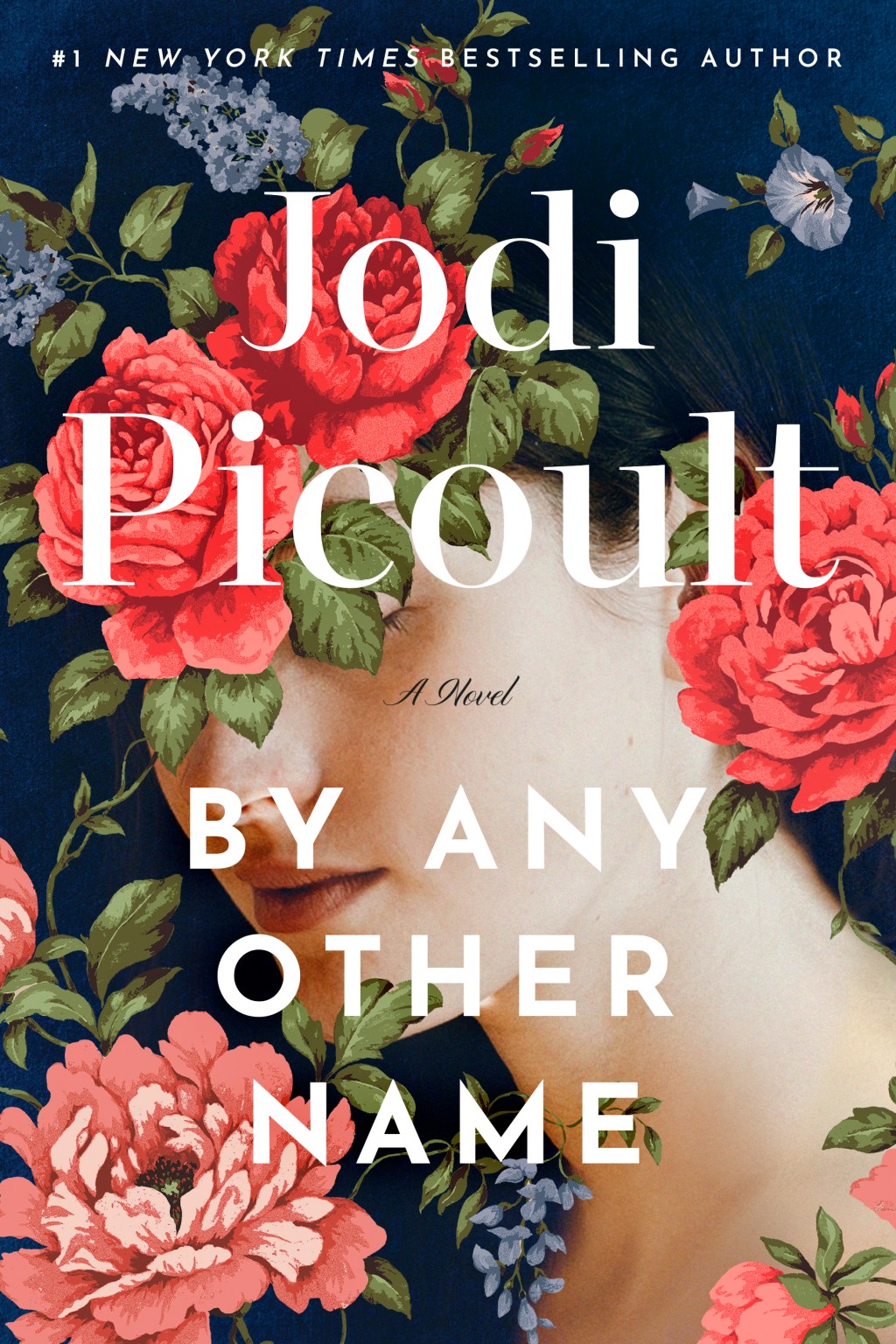
Picoult’s book My Sisters Keeper published in 2004 was almost naked with raw emotions expressed through characters that could tug at heart strings that shared the maelstrom of grief and confusion making it all but impossible to put the book down.
Her latest work By Any Other Name is an altogether different story. The research Picoult put into the work is appreciated because it enabled her to create this awesome parallel between the struggles be it in the workplace, in relationships, or the general everyday life of how women of the Renaissance and 21st century women were and are now perceived. For that alone this would be a four star book.
However, the magnetic pull to draw the readers in was sorely lacking, to the point the story drones on and on giving it a boring flavor. In this book, Picoult tells more than she shows perhaps this explains where the disconnect occurs between readers and characters.
We have Melina Green your average 21st century girl going through the motions, trying to find her place as a playwright, but an unfortunate event transpires with her thesis professor and a well know critique so she lets her dream fade on the back burner until the work she’s written inspired by the life of her Elizabethan ancestor Emilia Bassano is submitted to a play festival under a male pseudonym by her best friend.
In 1581, Emilia Bassano is a ward of English aristocrats and her lessons on languages, history, and writing have endowed her with a sharp wit and a gift of storytelling alas like most women of her day, she is allowed no voice. Forced to become a mistress to the Lord Chamberlain, who oversees all theatre productions in England, Emilia sees how the words of playwrights can move an audience and secretly begins to plan to bring a play of her own to the stage by paying an actor named William Shakespeare to front her work.
The bulk of the story is told from Emilia’s perspective with lots of descriptive just not enough grit. This is where the story bogs down and could have been edited, cut in half even, without affecting the end result. In the early chapters of the book, it’s like Picoult found her groove and that maelstrom of emotions was present on the pages sweeping the reader in when Melina wrote her play without names simply boy, girl, and described how her life had been after the death of her mother and how she felt invisible until the boy saw her, touched her and so on. And when Emilia runs through the darkened streets from her patrons to her cousins after she finds out she’s been sold as a courtesan, a mistress to some Lord, only to find out that it’s her cousin that sold her. Those powerful emotions are what this work needed but they were fleeting, few and far between throughout the book which overall makes this a 2.5 read.

















 ROXANNA CROSS

Leave a comment