
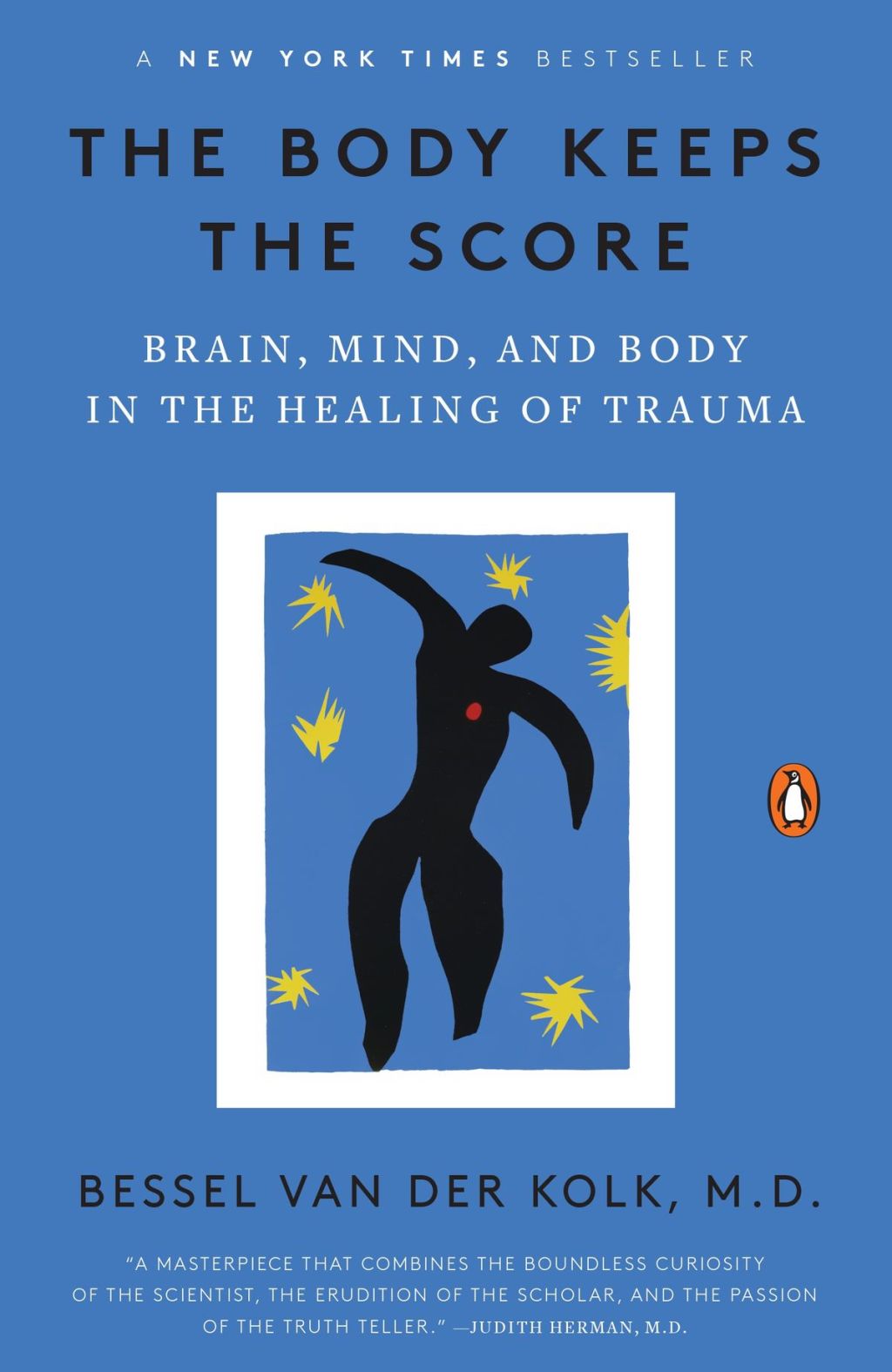
Van der Kolk’s book, first published in 2014 by Viking and Your Coach Digital, is available on Amazon in hardcover, paperback, Kindle, and audiobook formats as well as at your local library or through the Libby App. The audiobook, read by Sean Pratt, is delivered in a dry tone, rendering the listening experience monotonous at best.
Van Der Kolk is a pioneering researcher at the forefront of traumatic stress, offering a bold new standard for healing. This book is to be taken with a grain of salt, representing all that’s groundbreakingly astounding as well as pseudoscientifically dreadful concerning trauma research. Let’s take Van der Kolk’s example of Tom, who reports having murdered farmers, children, and raped a woman in Vietnamese Village after he lost his platoon as his way to ‘cope’ with the loss. Here, Van der Kolk expresses how he understands how this happened, practically blowing the entire thing off, because men have been getting revenge like this since Homer’s time.
He continues to praise Tom, who is now a lawyer. How and why did this man not face justice for the crimes he committed in Vietnam? Are the lives he ruined, the trauma he caused, irrelevant? Anyhow, Van der Kolk uses Tom as a success story, showcasing how he’s overcome his hurdles and how he gets excited about high-powered cases like the murder cases he tried and won, which made him feel ‘alive’. The audience recognizes the parallel here; it’s as if Tom were defending himself, justifying his own actions. The fact that the author thinks this is a success is beyond comprehension.
The lack of empathy shown for the victims, Tom’s wife and children, who have to endure his violent tantrums, shows a masochistic trend. The book can even be triggering for female readers or listeners because the women aren’t well humanized, creating a paucity of balance and enlightenment to the point of causing retraumatisation. Very disappointing coming from such a renowned expert in the field.
Furthermore, Van der Kolk’s continuous boasts about his MD and Harvard alma mater grow annoying, as does his quoting outdated findings and therapies without any empirical data to support his claims. What is scarier is his utter denial about how false memories form and the damage they can wreak. Remembering repressed memories is a fragile process; knowing the real from the false is a primordial key. That Van der Kolk doesn’t think false memories are relevant is mindblowing.
Honestly, this book could have been cut in half, sticking to the empirically sound findings and treatments without associating every other word with Harvard or MD to make himself feel more pompous or his material more valuable. Within the various chapters on treatment options, trauma sufferers might find a treatment appropriate to them and the help they need, which would be the only redeeming quality of this book, bringing this to a 0.5-star read or listen.





















 ROXANNA CROSS

Leave a comment